There is a particular kind of pressure that comes with being a New Yorker. It is the pressure of being expected to have already been everywhere that matters in the city. It is not just natives, visitors do it too. The reaction is specific: the pause, the raised eyebrows, the repeat-back in disbelief. The same look you would get if you were giving a keynote at Comic Con and casually mentioned you have never seen Star Wars.
Pete’s Tavern is one of those places, and I had never been.
For me, it was not a mystery, it was timing. New York is full of icons, and if visiting every iconic spot were mandatory, you would never get anything else done. What I have learned growing up here is that the city brings places to you when you are ready for them.
My first real introduction to Pete’s came through James and Karla Murray’s book Great Bars of New York City. They sent it to me, and Pete’s was on the cover, so the place felt familiar long before I ever stepped inside.
When I got invited to meet Steve Troy, the owner, I walked in with that same familiarity, like I was finally catching up to something I’d already been introduced to.
First Impressions Still Matter
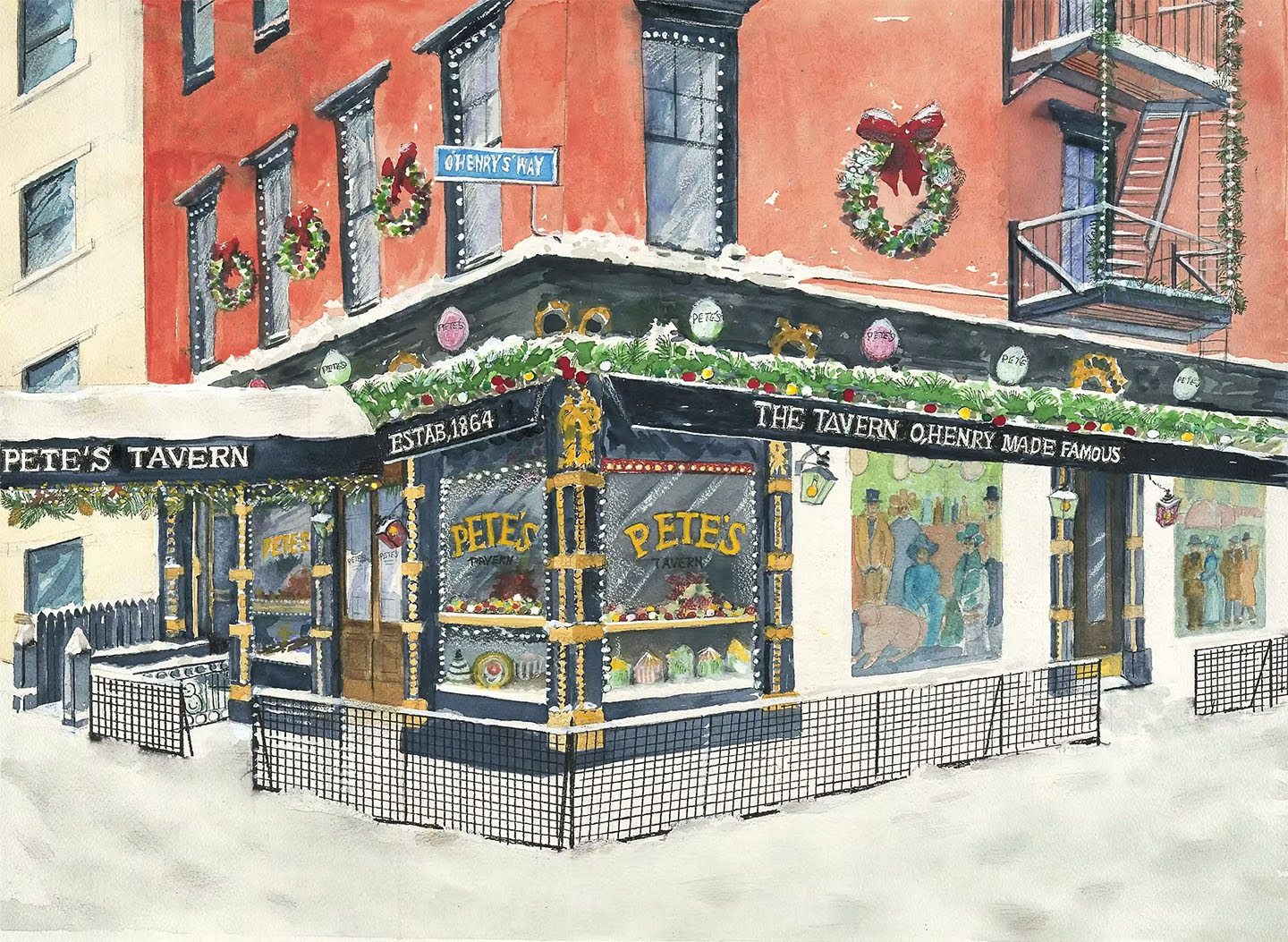
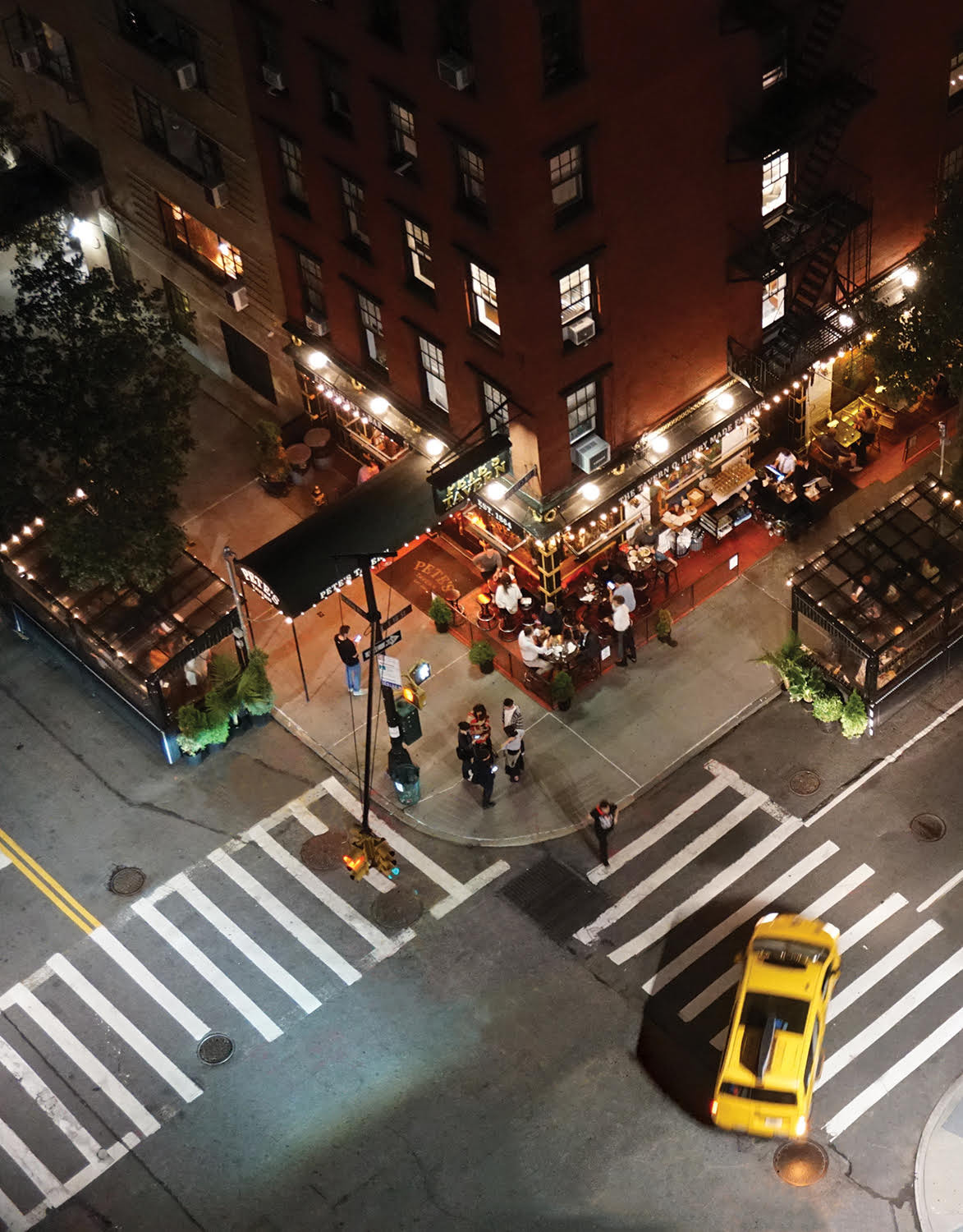
Pete’s sits in the heart of Gramercy Park, a short walk from Union Square. From the sidewalk, it looks like it has been holding its ground for a long time, and it has. Pete’s has been welcoming New Yorkers and visitors since 1864.
The minute I stepped inside, I had that thought you get when you discover a place that fits your personality a little too perfectly: why have I not been here?
I have worked in hospitality and tourism for over a decade, so I always clock the real stuff first. How you are greeted. Whether the room feels cared for. Whether the staff makes you feel like you are inconveniencing them or joining something that already has a rhythm.
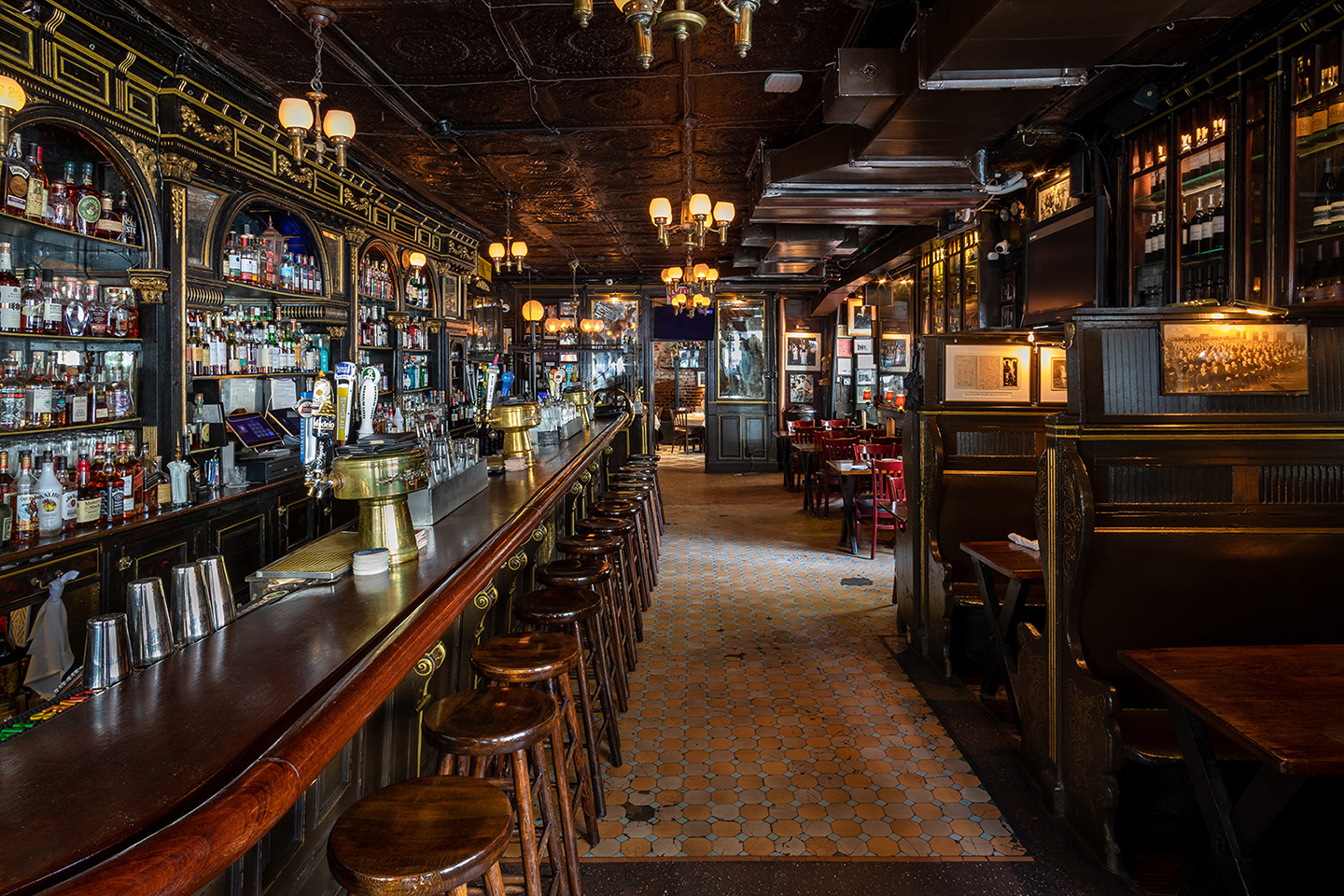
It hit immediately: the cherry-wood glow, the tile underfoot, the tin ceiling above, the stools stamped with Pete’s like a quiet signature. It felt like the kind of place you can tuck into without being “on.” The kind of room that welcomes a Guinness and a notebook.
Joe, the Bartender, and the Power of Small Gestures
I met Joe at the bar first. I told him I was there to see Steve. What happened next was simple, but it is also the kind of thing too many places forget: he made it easy to settle in.
A water appeared, and the whole tone loosened up. Then we started talking. It began as “what brings you in” and turned into a real conversation fast. Queens came up. A Tribe Called Quest came up. The energy shifted from formal small talk to a connected conversation, which is always the goal.
By the time Steve showed up, I already felt comfortable in the room.
The Walkthrough, Room by Room
Steve arrived right on time and we got right into it. I dropped my stuff in his office, and he started at the beginning.
We began outside, then moved into the main bar, then into the booths, then deeper into the building where you realize Pete’s is not just a bar with a dining room. It is a series of rooms that keep unfolding, each one with its own archive of photos, objects, and stories.
Steve talked about the rosewood bar as something they actively protect, even when that kind of work does not show up on a spreadsheet the way a trendier renovation might. The preservation is part of the operating system.
The O. Henry booth
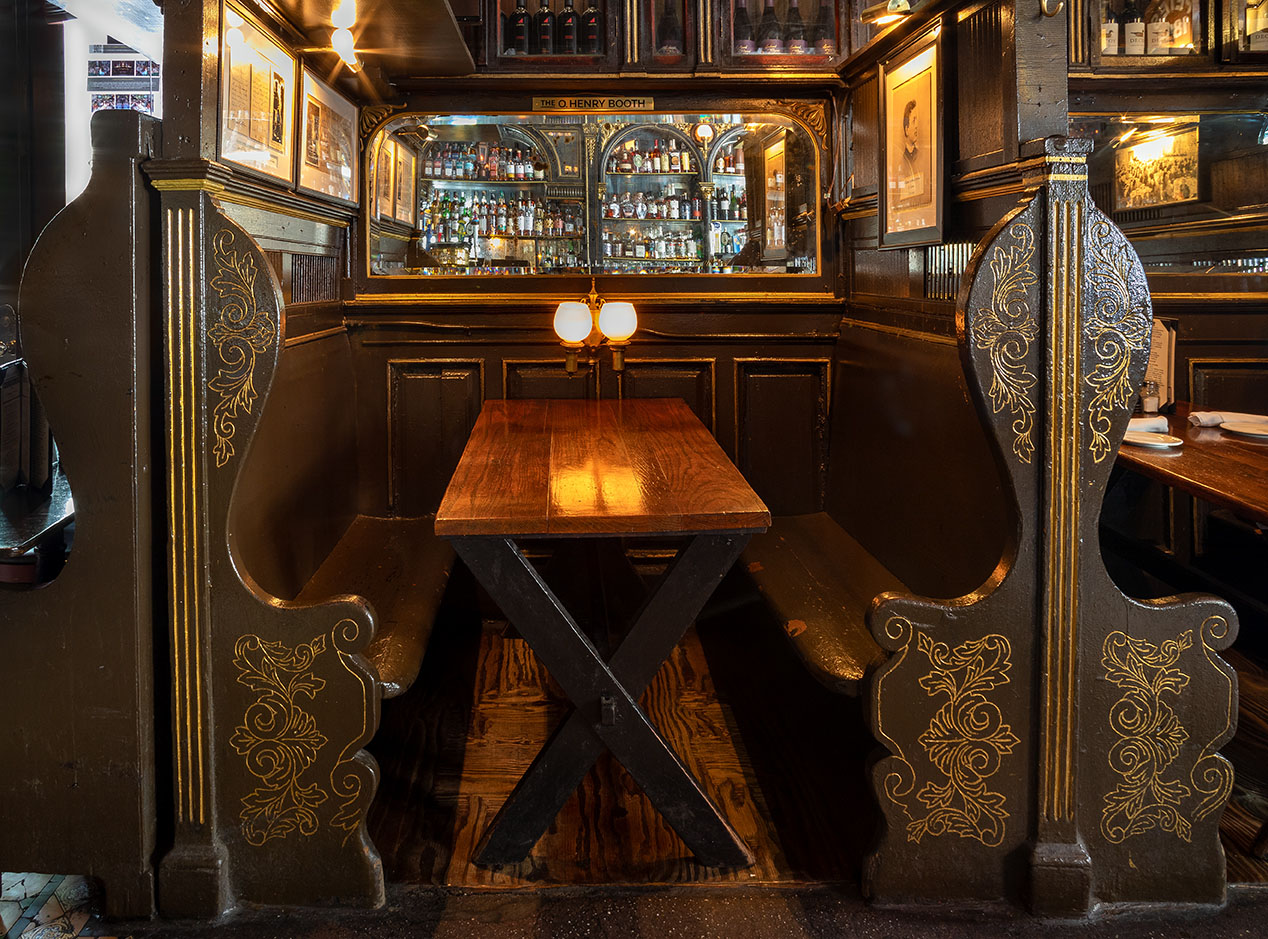
Of course, we stopped at the O. Henry booth. Pete’s has long been associated with O. Henry and “The Gift of the Magi,” and the story goes that he wrote it right there, in the second booth on the right.
What made this part special was not just the claim, it was the attention to detail. Steve showed me an O. Henry letter, some of his actual art and other pieces that pull the writer out of myth and into the room with us.
We also talked about the story itself. I listened to “The Gift of the Magi” on the train ride over because I had a feeling Steve might ask, and it worked out because we could talk about the details, not just the title. Then Steve mentioned he rereads it every year around the holidays, and I understood that immediately, because I do the same thing with The Alchemist.
During the walk-through, Steve dropped a story that felt like it belonged in a Pete’s Tavern short story collection. Downstairs, they discovered a large safe built into the wall, something even longtime staff had never known was there.
So we headed toward the basement.
Guinness and a Secret Safe
Down there, he showed me the hinge, the frame, the sheer size of it, and he explained how it was hidden for so long because the area had been covered with lockers when he took over. I wondered what was in it.
He is holding off on opening it until the moment is right, a night big enough, loud enough, and watched enough to make the reveal feel like a true New York event.
And honestly, I get it. Open it quietly and it is just a box in a wall. Open it at the right time at Pete’s and it becomes an event.
This is also where my Guinness obsession became part of the story. I am a snob, and I’m fine with that. If the pour is off, the whole night feels off. If the lines aren’t clean, you taste it immediately. Once you’ve had it done right, there’s no unlearning the difference.
Pete’s Tavern takes that seriously. Steve and I talked about the behind-the-scenes work that makes a pint consistent, and it was exactly my kind of nerd-out, because I love the inner workings as much as the finished product.
Pete’s is charming upstairs, and it is disciplined downstairs. That combination shows up in the glass.
Upstairs, the Private Speakeasy Room
Just when I thought we’d reached the end of the tour, Steve led me upstairs to their private, speakeasy-style event space.
It sits on the second floor above the restaurant, accessed from the rear by a 17-step staircase with brass handrails, and no elevator. Inside, it has its own bar and private restrooms, original brick walls lined with celebrity photos, an original tin ceiling with a grand skylight, and french doors that open to a Juliet balcony overlooking East 18th Street.
Steve also pointed out details up there that reflect the same care and storytelling as the main floors, including a tribute wall tied to first responders and a men’s room concept that turns “places that no longer exist” into a cheeky little New York time capsule.

Meeting Gary Egan, the Historian in the Building
At a certain point, Steve said something that sounded like a suggestion and turned into an immediate action: “I’d like you to meet the GM.”
That is how we ended up in Gary Egan’s office.
Gary has been at Pete’s for nearly forty years, and Steve described him as the place’s chief archivist. Within minutes, you could tell he holds Pete’s in his memory the way some people hold a neighborhood: street by street, story by story, detail by detail.
He said, “It’s so much harder to keep an older place old than a new”
I took that as a gem.
Then Gary did what great storytellers do. He backed the point up with a story. A woman came up the block on a cane and handed him a beat-up envelope. “My husband hated this place,” she told him. Her late husband had stolen photographs off Pete’s walls years ago, and now she was bringing them back. The frames were gone and the prints had seen better days, but Gary said some of them turned out to be among the best images he’d ever gotten his hands on. Better than that, they helped fill in gaps in Pete’s own record, including photos from the Prohibition era, when the tavern kept operating under the cover of being a florist.
That story had everything: New York bluntness, neighborhood timing, accidental preservation, and the city’s weird moral math where someone can be a thief and still leave behind a historical artifact.
Gary also talked about preservation as real labor, not a slogan. During the pandemic, they stripped the bar back down to rosewood and rebuilt the finish layer by layer, the kind of careful restoration meant to hold up for decades.
By the time I left the building that day, I felt like I had been shown the machinery that keeps a landmark alive.
Before I left, Steve brought the conversation back to the reason for the invite.
Pete’s has long honored O. Henry, and now, for the first time since that booth was dedicated, the tavern is adding two more literary names to its walls and its seating chart: Amor Towles, the internationally acclaimed author of A Gentleman in Moscow and Rules of Civility, and Ludwig Bemelmans, the creator of the Madeline series.
A few days later, I came back for the booth dedication ceremony.
Part II: Night
Cold is Cold, and that Night was Brick
There is a point where “New York winter” stops being a personality trait and becomes a body experience. Cold is cold, and that night was brick.
The minute I walked into Pete’s for the event, none of it mattered. The room was warm, lit perfectly, and already humming.
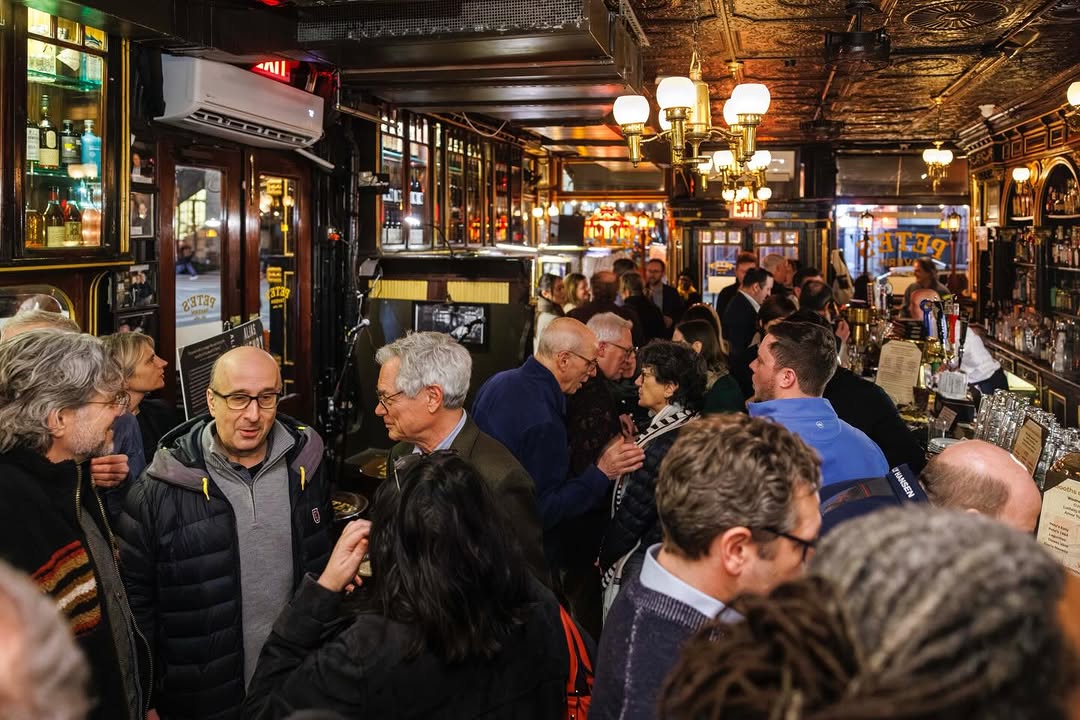
The night centered on cocktails and conversation, with the booth dedication as the anchor. Bemelmans’ daughter Barbara, the real-life inspiration for Madeline, was there, along with his grandson John Bemelmans Marciano, also a children’s book author. The literary thread was real, not just symbolic.
I arrived early because I wanted to relax and take in the room before it filled up.
Steve saw me, remembered my name, and greeted me like we had just paused the conversation from the other day. I appreciated that.
There were great wines available, and the room gave you every excuse to explore.
But Steve and I had already done the Guinness deep dive. I knew what I was going to do.
The Spread was Serious
There were top-tier breads, cheeses, and artsy hors d’oeuvres circulating all night. Broiled salmon showed up. Farro risotto showed up. It was generous, the kind of food flow that keeps you from checking your watch because you are always in the middle of “one more bite.”
And still, my standout was the veal stroganoff.
Buttered noodles with shredded veal on top. Comfort food that tasted like it had been handled by someone who understands that “simple” still needs precision. It brought the fat kid out of me in the best way. I went back for a second plate and made peace with the decision immediately.
Then desserts came through with real intention: chocolate tarts and classic tiramisu, the kind that makes you pause and go, alright, now ya just showing off.
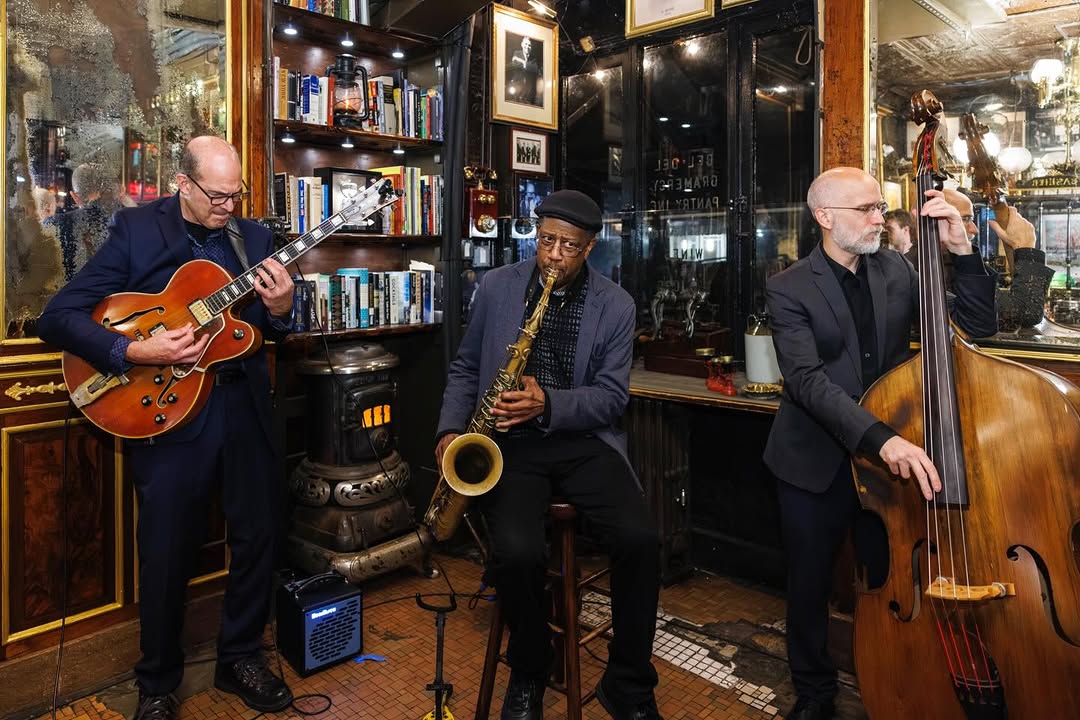
Music and Stories
There was a band playing. It felt like the kind of evening where strangers talk like neighbors, and neighbors talk like old friends.
I ended up in a conversation with a guy named Adam who works in linens, and we somehow managed to nerd out about linens like it was an art form. That is how you know the room is right. People stop trying to sound impressive and start talking about what they actually care about.
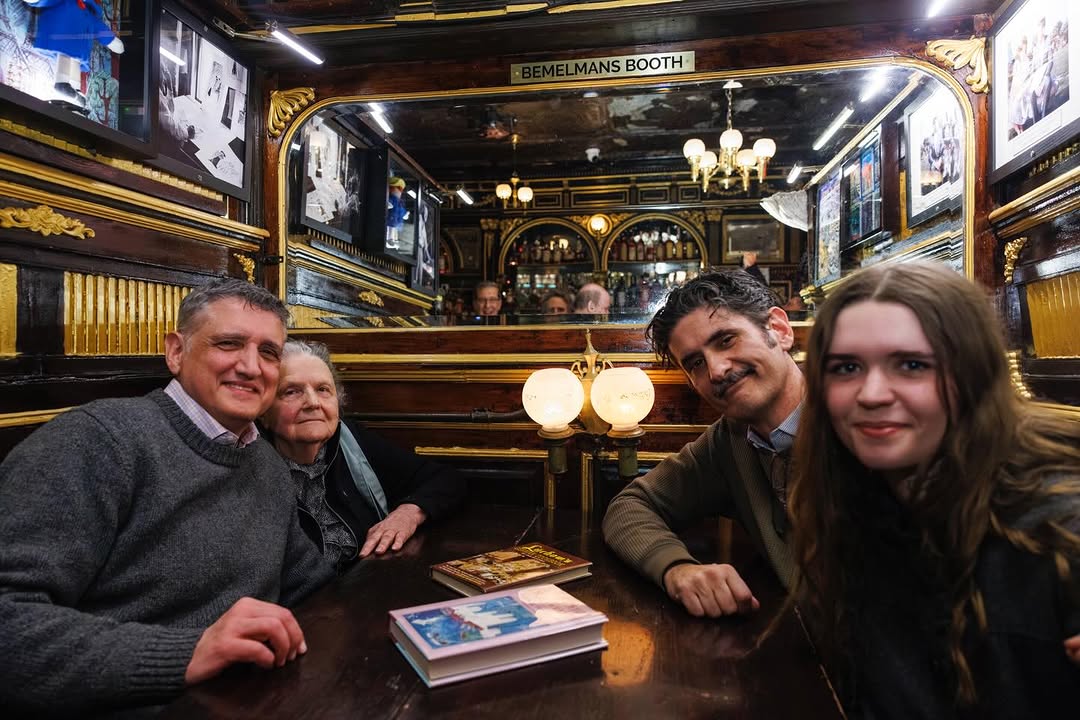
Barbara shared stories, and they landed with the kind of quiet weight you only get when the speaker has lived inside the history.
By the end of the night, Pete’s felt like more than an iconic stop. It felt like a place I could return to and actually have a relationship with, especially anytime I am in the Gramercy Park or Union Square area.
The Final Sip: Pete’s Old Fashioned
Late in the night, I closed it out with Pete’s Old Fashioned: Sazerac Rye, Regan’s Orange Bitters, Angostura Bitters, Luxardo cherry juice, twist, cherry.
It was superb, and it felt like the right punctuation mark. Classic, clean, and built like somebody behind the bar cares about balance.

Pete’s Tavern Information
If you have never been, consider this your nudge.
Pete’s Tavern is at 129 East 18th Street at Irving Place in Gramercy Park. They are open seven days a week from 12 noon to 2:00 am, with the kitchen closing at 11:00 pm Sunday through Thursday and at midnight on Friday and Saturday.
For reservations (up to 9), they book through Resy. For parties of 10 or more, you can email manager@petestavern.com.
And if you are the kind of group who likes a hidden room with a story, ask about the private speakeasy space upstairs.